How to Paint an Autumn Sketchbook Page
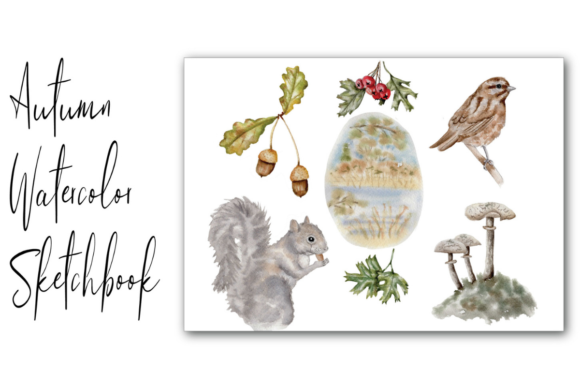
The transition of seasons offers a unique palette for artists, shifting from the vibrant greens of summer to the rich, earthy tones of fall. For many creatives, capturing this fleeting beauty is not just about creating a finished masterpiece, but about documenting the journey of observation and technique. How to Paint an Autumn Sketchbook Page is more than a tutorial; it is an invitation to slow down and engage with the natural world through the lens of watercolor. Guided by watercolorist Laura Watson, this approach teaches you how to compose a cohesive, sketchbook-style page featuring acorns, oak leaves, hawthorn, berries, a sparrow, mushrooms, moss, a simple landscape, and a squirrel.
This article explores the practical steps, artistic techniques, and broader benefits of creating such a composition. Whether you are a seasoned professional looking to refine your loose style or a beginner eager to learn foundational skills, understanding the structure of a seasonal sketchbook page can transform your artistic practice.
The Philosophy of the Sketchbook Style
Unlike traditional studio paintings that often aim for perfection on a single large sheet, a sketchbook page embraces imperfection, spontaneity, and variety. The goal of learning how to paint an autumn sketchbook page is to combine multiple elements into a unified visual narrative. This method allows artists to experiment with different subjects—such as flora and fauna—without the pressure of committing to a single, massive composition.
Laura Watson’s instruction emphasizes the importance of starting with a reference photo. This initial step is crucial for accuracy and inspiration. By selecting a high-quality reference, you create a drawing that serves as the backbone of your piece. This drawing is then transferred to watercolor paper, providing a secure foundation upon which you can layer colors and textures. The sketchbook style encourages you to view these individual elements not as isolated studies, but as parts of a greater whole, reflecting the interconnectedness of the autumn ecosystem.
Essential Materials and Preparation
Before diving into the painting process, it is important to gather the right tools. While watercolor is a forgiving medium, the quality of your materials can significantly impact the final result. You will need:
- Watercolor Paper: Cold-pressed paper is ideal for its texture, which holds pigment well and allows for both wet-on-wet and dry brush techniques.
- Brushes: A variety of sizes, including a round brush for details and a flat wash brush for backgrounds.
- Pencils and Erasers: For creating your initial drawing from the reference photo.
- Reference Photos: Clear images of acorns, oak leaves, hawthorn, berries, sparrows, mushrooms, moss, and squirrels.
Preparing your workspace is equally important. Ensure you have clean water, paper towels, and a comfortable lighting setup. The act of preparation itself can be a meditative start to the creative process, setting the tone for the focused work ahead.
Mastering Watercolor Techniques
The core of this class lies in mastering three fundamental watercolor techniques: wet-on-wet washes, dry brushes, and wet-on-dry washes. Each technique serves a specific purpose in creating realistic-looking watercolors that capture the essence of autumn.
Wet-on-Wet Washes for Atmosphere
Wet-on-wet involves applying wet paint onto wet paper. This technique is perfect for creating soft, blended backgrounds and atmospheric effects. In the context of an autumn sketchbook page, you might use this method to paint the simple landscape background or the soft hues of the sky. The colors bleed into one another naturally, creating organic transitions that mimic the soft light of fall afternoons. Learning to control the water-to-paint ratio is key here; too much water can lead to uncontrollable blooms, while too little may prevent the desired blending effect.
Dry Brush for Texture and Detail
In contrast, the dry brush technique involves using a brush with very little water and concentrated pigment. This is ideal for adding texture to elements like moss, tree bark, and the fur of a squirrel. By dragging the brush lightly over the textured surface of the paper, you create broken, scratchy lines that suggest roughness and depth. This technique adds a tactile quality to your painting, making the mushrooms and oak leaves feel tangible and real.
Wet-on-Dry for Precision
Wet-on-dry is used when you need sharp edges and defined shapes. This technique is essential for painting detailed elements such as the sparrow, the veins of the hawthorn leaves, and the intricate caps of the mushrooms. By applying wet paint to dry paper, you maintain control over the shape and intensity of the color. This method allows for layering, where you can build up depth and shadow gradually, enhancing the three-dimensional appearance of your subjects.
Step-by-Step Composition Guide
Creating a balanced composition requires thoughtful planning. Here is a general workflow based on Laura Watson’s teachings:
- Create the Drawing: Start with your reference photo. Sketch the main elements—acorns, leaves, animals—arranging them in a way that feels balanced yet dynamic. Leave some negative space to allow the page to breathe.
- Transfer to Paper: Carefully transfer your drawing to the watercolor paper. Use a light hand to avoid indenting the paper, which can affect how the paint settles.
- Apply Base Washes: Begin with wet-on-wet washes for the background and larger areas of color. Let these layers dry completely before moving on to details.
- Build Layers: Use wet-on-dry techniques to add mid-tones and shadows. Focus on one element at a time, such as the oak leaves or the squirrel, to maintain consistency in lighting and perspective.
- Add Texture: Employ dry brush techniques to add final details and textures. This step brings the painting to life, adding the crispness of autumn leaves and the softness of animal fur.
- Final Touches: Step back and assess the overall balance. Add any necessary highlights or dark accents to unify the composition.
Versatility and Application
One of the greatest strengths of learning how to paint an autumn sketchbook page is the versatility of the skills acquired. While the class focuses on specific autumnal elements, the techniques are universally applicable. You can easily adapt these methods to paint other plants and animals, making this knowledge valuable for year-round creative projects.
For general consumers and hobbyists, this approach offers a relaxing and rewarding way to engage with art. It does not require expensive equipment or extensive prior experience, making it accessible to anyone with an interest in creativity. For professionals and creators, these skills can enhance portfolio diversity, offering a loose, expressive style that appeals to clients looking for organic, handcrafted aesthetics. Business owners in the creative industry might find these techniques useful for designing seasonal marketing materials, greeting cards, or product packaging that evokes a sense of warmth and natural beauty.
Evaluating Suitability for Your Needs
When considering whether this type of project suits your current goals, ask yourself the following questions:
- Do you enjoy working with natural subjects and observational drawing?
- Are you looking to improve your control over watercolor mediums?
- Do you prefer a flexible, iterative creative process over rigid, planned outcomes?
If the answer is yes, then exploring how to paint an autumn sketchbook page is likely a worthwhile investment of your time. The skills learned here—particularly the ability to combine different textures and subjects into a cohesive whole—are transferable to many other artistic endeavors.
Strengths and Considerations
The primary strength of this approach is its holistic nature. By combining landscape, flora, and fauna, you develop a broader understanding of composition and color harmony. Additionally, the step-by-step guidance provided by Laura Watson ensures that even complex elements like the sparrow or squirrel are approachable for learners.
However, there are considerations to keep in mind. Watercolor is an unforgiving medium in the sense that mistakes are difficult to correct. Patience is required, particularly when waiting for layers to dry. Furthermore, achieving realism requires practice; initial attempts may look less polished than expected. It is important to manage expectations and view each page as a learning opportunity rather than a final product.
Another limitation is the reliance on reference photos. While helpful, they can sometimes restrict creativity if followed too rigidly. Artists are encouraged to use references as a guide, not a rule, allowing for personal interpretation and stylistic flair.
Real-World Scenarios and Benefits
Imagine using these skills to create a series of seasonal journals. Each page could document the changing environment in your local area, serving as both an artistic outlet and a personal record of nature’s cycles. For educators, these techniques can be adapted into classroom lessons, teaching students about biology and art simultaneously. For therapists, art-based activities like this can provide calming, mindful exercises for clients dealing with stress or anxiety.
By the end of this class, you will not only have painted a beautiful page of autumn-inspired flora and fauna but also gained a toolkit of skills for future seasonal sketchbook paintings. The ability to observe, interpret, and render the natural world is a gift that extends far beyond the canvas, enriching your daily interactions with the environment.
In conclusion, how to paint an autumn sketchbook page is a comprehensive guide to capturing the essence of fall through watercolor. With clear instructions, practical techniques, and a focus on creative exploration, this approach empowers artists of all levels to create meaningful, visually stunning work. Whether you are painting for pleasure, professional development, or personal growth, the skills learned here will serve you well in countless future projects.