Integrating Paint Brushes in Mug Embroidery into Your Creative Workflow
In the realm of machine embroidery, the intersection of utility and aesthetics creates some of the most compelling projects for modern makers. The Paint Brushes in Mug design serves as a prime example of this synergy. It is not merely a decorative element; it is a functional asset that can be integrated into broader creative workflows, gift-giving strategies, and small business product lines. This redwork embroidery pattern, characterized by its clean lines and artistic subject matter, appeals directly to crafting and painting enthusiasts who value both form and function.
For professionals, hobbyists, and entrepreneurs alike, understanding how to effectively implement this design requires more than just loading a file into a machine. It involves considering preparation, material compatibility, and the final application of the finished piece. By treating the embroidery process as a structured workflow, you can ensure consistent quality and maximize the utility of the Paint Brushes in Mug motif.
Understanding the Design Structure and Versatility
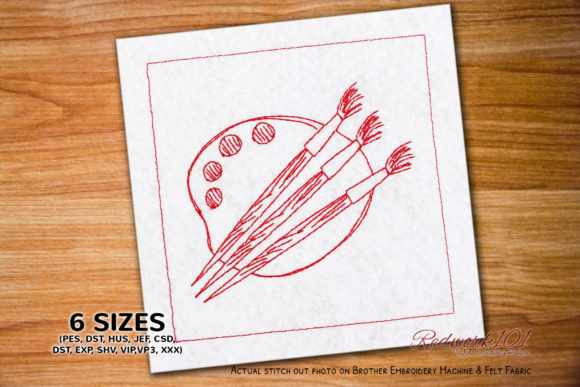
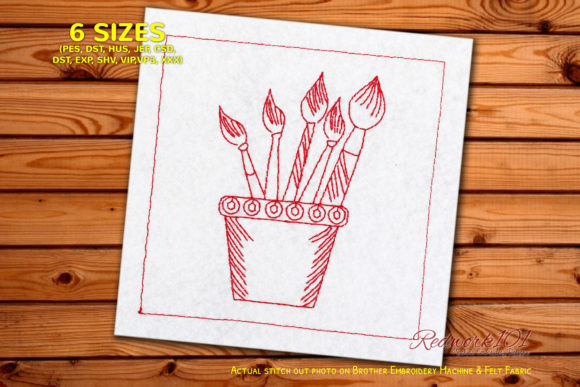
The core appeal of the Paint Brushes in Mug design lies in its simplicity and adaptability. As a redwork embroidery piece, it relies on single-color stitching, which significantly reduces thread changes and production time. This efficiency makes it an ideal candidate for batch processing or quick turnaround projects. The design features a central image of paint brushes resting in a mug, a visual metaphor that resonates with artists, teachers, and creative professionals.
One notable feature of this specific digitization is the optional Box Stitch. In many machine embroidery designs, outer bounding boxes are used for positioning or aesthetic framing. However, in this context, the box is purely optional. If your workflow prioritizes speed or if the item being embroidered has limited space, you can skip this color stop entirely. Most embroidery software allows users to delete or skip specific color blocks before sending the job to the machine. This flexibility ensures that the design can be adapted to various hoop sizes and fabric constraints without compromising the integrity of the main image.
Furthermore, the design is distributed in multiple embroidery file formats. This compatibility is crucial for seamless integration into different ecosystems. Whether you are using a Brother, Janome, Husqvarna, or Bernina machine, having access to formats such as PES, DST, JEF, or EXP ensures that the design reads correctly without requiring complex conversion processes that might alter stitch density or alignment.
Pre-Production Planning and Material Selection
Successful implementation begins long before the needle hits the fabric. Proper planning ensures that the Paint Brushes in Mug design executes cleanly and lasts through repeated use and washing. The first step in this phase is selecting the appropriate substrate. Given the artistic nature of the design, it pairs well with natural fibers like cotton, linen, or canvas. These materials provide a stable base for redwork stitching, which often uses a running stitch or simple satin stitch that can pucker unstable fabrics if not properly supported.
Stabilization is a critical component of this workflow. For lightweight fabrics, a cut-away stabilizer provides long-term durability, preventing the stitches from pulling out over time. For heavier items like tote bags or aprons, a tear-away stabilizer may suffice, provided the fabric has enough body to support the stitch count. Testing the tension on a scrap piece of the same fabric is a non-negotiable step. This quality control measure helps identify potential issues with thread tension or hooping pressure before committing to the final product.
Color selection also plays a strategic role. While traditional redwork uses red thread, the Paint Brushes in Mug design allows for creative interpretation. If the end user is a painter, matching the thread color to their favorite brand or palette can add a personalized touch. Alternatively, using a neutral tone like charcoal or navy can make the design more subtle and versatile for everyday wear or home decor. The key is to ensure high contrast between the thread and the fabric so the details of the brushes and mug remain visible.
Execution and Machine Optimization
During the execution phase, attention to detail ensures professional results. Because the design includes an optional outer box, decision-making happens at the machine interface. If you choose to include the box for alignment purposes, ensure your hooping is precise. If you opt to skip it, verify that the design is centered correctly within the hoop using your machine’s preview function or physical measurement tools.
Thread choice impacts both the look and the longevity of the embroidery. Polyester threads offer durability and sheen, making them suitable for items that will be washed frequently, such as kitchen towels or aprons. Cotton threads provide a matte, traditional look that aligns well with the heritage style of redwork but may require more careful laundering. Regardless of the thread type, using high-quality needles designed for embroidery prevents skipped stitches and fabric damage.
Monitoring the machine during the initial stages of stitching is advisable. Watch for any signs of thread bunching or fabric shifting. Since the Paint Brushes in Mug design is relatively compact, it should complete quickly, but interruptions can ruin the aesthetic. Once the stitching is complete, carefully remove the stabilizer. If using a tear-away, trim close to the stitches to avoid bulk. If using a cut-away, leave a small margin to maintain support.
Post-Production and Integration into Products
The value of the Paint Brushes in Mug design is fully realized in its application. For educators and art teachers, this motif can be embroidered onto tote bags used to carry supplies, creating a cohesive and professional appearance. For small business owners, it serves as an excellent product for niche markets. Items such as canvas aprons, studio wall hangings, or even custom mouse pads can feature this design, appealing directly to the creative community.
Finishing techniques enhance the perceived quality of the final product. Pressing the embroidered area from the back side helps flatten the stitches and remove any hoop marks. Using a pressing cloth protects the threads from direct heat, preserving their texture and color. For items intended for sale, adding care instructions specific to embroidered goods builds trust with customers and ensures the longevity of the product.
From a marketing perspective, the story behind the design matters. Highlighting the ease of customization—such as the ability to skip the optional box or change thread colors—can be a selling point for customers who value personalization. Demonstrating the design on various products through high-quality photography helps potential buyers visualize the end result, thereby increasing conversion rates.
Long-Term Utility and Maintenance
Integrating Paint Brushes in Mug into your repertoire offers long-term benefits due to its timeless aesthetic. Unlike trend-heavy designs that may quickly become outdated, redwork styles maintain their appeal across seasons. This consistency allows creators to keep the design in their active library, ready for immediate use when relevant opportunities arise.
Maintenance of the embroidered items is straightforward but essential. Washing embroidered goods inside out in cold water helps preserve the thread integrity. Avoiding harsh detergents and bleach prevents color fading, particularly if using vibrant reds or deep blues. Air drying is recommended to prevent shrinkage of the fabric, which could distort the embroidery over time.
For digital asset management, keeping the original files organized by format and size ensures quick retrieval. Labeling files clearly with details such as stitch count, dimensions, and recommended hoop size streamlines future projects. This organizational habit reduces setup time and minimizes errors when revisiting the design after a period of inactivity.
In conclusion, the Paint Brushes in Mug embroidery design is more than a simple graphic; it is a versatile tool for creative expression and commercial production. By approaching its implementation with a focus on preparation, execution, and post-production care, users can achieve high-quality results that resonate with their target audience. Whether used for personal projects, educational tools, or retail products, this design offers a blend of artistic charm and practical efficiency that fits seamlessly into modern crafting workflows.