Line Drawing Botanicals, Plants, and Wreaths: A Practical Guide to Minimalist Design Resources
In the evolving landscape of graphic design, minimalism has transitioned from a fleeting trend to a foundational aesthetic. Among the various tools available to designers, line drawing botanicals have emerged as a versatile resource for creating elegant, understated visuals. Specifically, collections featuring plants, wreaths, and wildflowers offer a unique balance between organic complexity and clean simplicity. This article explores the utility of these resources, comparing them against other illustration styles and evaluating their suitability for diverse projects ranging from wedding invitations to corporate branding.
Understanding the Appeal of Line Art Botanicals
Line art is defined by its reliance on distinct straight or curved lines without gradation in shade or hue. When applied to botanical subjects—such as magnolia flowers, leaf clusters, and intricate wreaths—this style strips away the noise of color and texture, focusing entirely on form and structure. The result is a visual language that feels both modern and timeless.
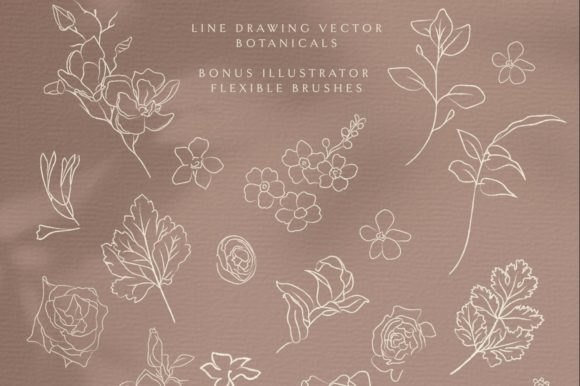
A comprehensive set of line drawing botanical illustrations typically includes a variety of elements. For instance, a robust collection might offer 26 distinct elements, including white florals, branches, and complete wreaths. The distinct advantage of such a set lies in its versatility. Unlike photographic assets, which are bound by lighting conditions and background constraints, line drawings are inherently flexible. They can be scaled infinitely without losing resolution, provided they are sourced in vector formats like AI or SVG.
The Role of Transparency and Format
One critical factor in evaluating digital design resources is file format. High-quality botanical sets often provide files in multiple formats to accommodate different workflows. Common inclusions are:
- PNG files (300 dpi): Ideal for quick drag-and-drop usage in software that does not support vectors, ensuring high-resolution output for print.
- AI vector files: Essential for professional designers using Adobe Illustrator, allowing for full editability of paths and nodes.
- SVG vector files: Perfect for web designers and developers needing scalable graphics for digital interfaces.
The presence of a transparent background in PNG files is particularly crucial. It allows designers to layer floral elements over textured papers, colored backgrounds, or photographs without the need for tedious manual cutouts. This efficiency saves time and maintains the integrity of the delicate lines that define the aesthetic.
Comparing Line Art to Other Illustration Styles
When choosing visual assets, designers often weigh line art against watercolor, photorealistic, or flat-design illustrations. Each style serves different communicative purposes.
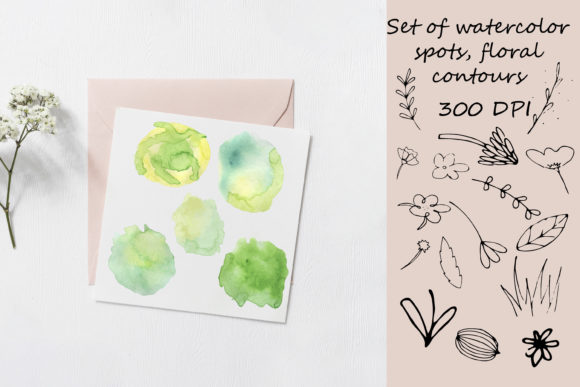
Watercolor vs. Line Art: Watercolor botanicals evoke softness, romance, and a hand-painted feel. They are excellent for dreamy, ethereal themes but can sometimes appear busy or lack clarity when scaled down. In contrast, line drawing botanicals offer precision. They are sharper and more legible at smaller sizes, making them superior for logos, business cards, and signage where clarity is paramount.
Photography vs. Line Art: Photographic images provide realism and immediate emotional impact through color and texture. However, they are rigid. Changing the color scheme of a photograph to match a brand palette is difficult and often looks unnatural. Line art, particularly when provided as editable vectors or with adjustable brushes, allows for seamless color customization. A designer can instantly change a black outline to gold, sage green, or blush pink to align with specific branding guidelines.
Flat Design vs. Line Art: Flat design uses solid blocks of color and simplified shapes. While effective for icons and user interfaces, it can lack the organic nuance required for natural subjects. Line art captures the intricate details of a magnolia petal or the jagged edge of a wildflower leaf, preserving the biological character of the plant while maintaining a minimalist profile.
Practical Applications and Use Cases
The flexibility of line drawing botanicals makes them suitable for a wide array of applications. Understanding where these assets shine can help designers decide if they are the right choice for a specific project.
Wedding and Event Stationery
Wedding invitations benefit greatly from the elegance of white florals and wreaths. The clean lines complement typography without overpowering it. A wreath frame can enclose monograms or event details, creating a focal point that feels structured yet organic. Because these elements are often available in vector formats, they can be resized to fit anything from a small RSVP card to a large welcome sign without pixelation.
Branding and Logo Design
For businesses in the wellness, beauty, or artisanal sectors, a leaf logo or floral emblem created from line art conveys sophistication and natural purity. The simplicity of the line ensures the logo remains recognizable even when printed on small items like jewelry tags or social media avatars. The ability to adjust colors means the same logo asset can be adapted for light and dark backgrounds effortlessly.
Packaging and Textiles
In packaging design, line drawings can be repeated to create seamless patterns for paper bags, boxes, or tissue paper. Their monochromatic nature allows them to stand out against bold background colors or blend subtly into kraft paper textures. Similarly, in textile design, these illustrations can be printed on fabrics for accessories, home decor, or apparel, offering a chic, understated look that appeals to modern consumers.
Evaluating the Value of Brush Sets and Vector Files
Not all botanical resources are created equal. A basic set of static images offers limited utility compared to a package that includes customizable tools. For example, a set that includes 20 flexible Illustrator brushes adds significant value. These brushes allow designers to paint their own botanical arrangements, adjusting size, color, and density on the fly. This level of control transforms a static asset library into a dynamic design tool.
When assessing such resources, consider the following decision factors:
- Editability: Can you change the stroke weight? Can you alter the color easily? Vector files (AI/SVG) generally offer superior editability compared to raster images (PNG/JPG).
- Variety: Does the set include enough variation? A mix of whole wreaths, individual branches, and standalone flowers allows for greater compositional flexibility.
- Resolution and Quality: For raster files, 300 dpi is the standard for print. For vectors, check for clean paths without unnecessary anchor points, which can complicate editing.
- Licensing: Ensure the license covers your intended use, whether personal, commercial, or for client work.
When Line Art May Not Be the Best Choice
While versatile, line drawing botanicals are not a universal solution. If a project requires a lush, vibrant, or highly realistic representation of nature, watercolor or photography may be more appropriate. Additionally, for designs targeting a very young audience, the subtlety of line art might lack the visual engagement provided by bold, colorful illustrations.
Furthermore, designers who are not comfortable working with vector software like Adobe Illustrator may find the learning curve steep. While PNGs are easy to use, unlocking the full potential of adjustable brushes and vector editing requires technical skill. In such cases, pre-composed layouts or simpler clip art might be more practical.
Making an Informed Decision
Choosing the right design resources involves balancing aesthetic goals with practical constraints. Line drawing botanicals, plants, and wreaths offer a compelling option for those seeking elegance, flexibility, and modernity. Their ability to adapt to various color schemes and sizes makes them a cost-effective investment for designers who work across multiple mediums.
By understanding the distinctions between line art and other styles, and by recognizing the technical benefits of vector files and transparent backgrounds, designers can make more informed choices. Whether creating a sophisticated wedding invitation suite, a minimalist brand identity, or custom packaging, these botanical illustrations provide a strong foundation for creative expression. As with any design tool, the key lies in matching the resource to the specific needs of the project, ensuring that the final output is both visually appealing and functionally effective.