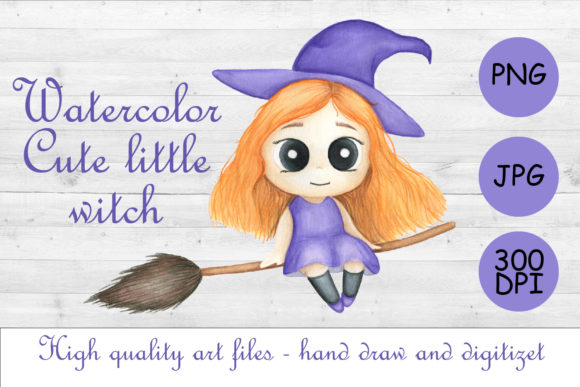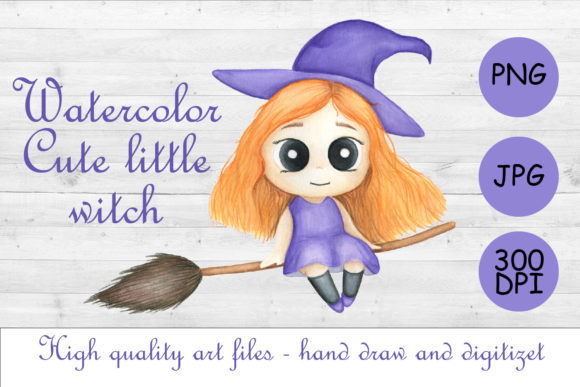
Watercolor Cute Girl: Little Princess Clipart for Modern Creative Projects
In the evolving landscape of digital design and print-on-demand commerce, the demand for high-quality, versatile visual assets has never been higher. Among the most sought-after resources are watercolor cute girl illustrations, specifically those featuring the charming archetype of the "little princess." These images are not merely decorative; they serve as foundational elements for a wide array of creative and commercial endeavors. From independent entrepreneurs launching boutique clothing lines to educators creating engaging classroom materials, the utility of these assets is vast. This article explores the significance of high-resolution watercolor clipart, examining how technical specifications like 300 DPI resolution and transparent backgrounds empower creators to produce professional-grade results across various mediums.
The Rise of Soft Aesthetics in Digital Commerce
The aesthetic preference for soft, hand-drawn visuals has grown significantly over the past decade. Consumers increasingly gravitate toward designs that feel organic, warm, and personalized, moving away from the sterile perfection of vector graphics or stock photography. Watercolor clipart fits this niche perfectly. The gentle blending of colors, the visible texture of the brushstrokes, and the whimsical nature of characters like a little princess evoke nostalgia and comfort. This emotional connection is a powerful driver in marketing, particularly for products targeting children, families, and lifestyle brands.
For business owners and marketers, understanding this shift is crucial. Using assets that align with current consumer preferences can significantly enhance brand perception. When a customer sees a t-shirt or a mug featuring a delicately painted character, they perceive the product as having higher artistic value compared to items with generic, mass-produced graphics. This perception allows creators to command higher price points and build stronger loyalty among their audience. The trend is not fleeting; it reflects a broader cultural appreciation for craftsmanship and authenticity, even in digital formats.
Technical Excellence: Why Resolution and Format Matter
While aesthetic appeal is vital, the technical quality of digital assets determines their usability. A common pitfall for novice designers is using low-resolution images that pixelate when printed. The collection described here addresses this issue by providing files with an approximate size of 2700x3400 pixels, resulting in 9-10 megapixels per image. This high resolution ensures that every detail of the watercolor texture remains crisp, whether the image is scaled down for a business card or printed large on a pillowcase.
The inclusion of both PNG files with transparent backgrounds and JPEG files with white backgrounds offers maximum flexibility. PNGs are essential for modern design workflows because they allow the illustration to be layered seamlessly over any background color or pattern without unsightly white boxes around the edges. This is particularly important for creating logos, patterns, and complex compositions in software like Adobe Photoshop or Illustrator. Conversely, JPEGs provide a ready-to-use option for quick projects or platforms that do not support transparency, ensuring that the asset is accessible to users with varying levels of technical expertise.
Furthermore, the 300 DPI (dots per inch) standard is non-negotiable for professional printing. While screens typically display images at 72 DPI, printers require higher density to reproduce smooth gradients and fine details. By adhering to this standard, these watercolor illustrations are print-ready, eliminating the need for costly and time-consuming upscaling processes that often degrade image quality.
Versatility Across Products and Mediums
The true value of a digital asset lies in its adaptability. The watercolor cute girl and little princess cliparts are designed to be used across a diverse range of products. In the realm of print-on-demand, these images can be applied to:
- Apparel: T-shirts, hoodies, and baby onesies benefit from the soft, approachable nature of watercolor art.
- Home Decor: Pillows, towels, and mugs become personalized gifts when adorned with charming characters.
- Accessories: Bags, skateboards, and helmets can feature these designs to appeal to younger demographics or parents looking for unique styles.
Beyond digital printing, these assets are highly effective in physical crafting. The clear outlines and distinct color zones make them ideal for ornaments cut in wood, plastic, or paper. Crafters can use the JPEG versions as templates for laser cutting or CNC machining, transforming the digital image into tangible decor. Additionally, the black-and-white or lightly colored versions can be printed for coloring activities. Children and adults alike can engage with the art by coloring it with pencils, markers, or brushes, turning passive consumption into an interactive creative experience.
Empowering Creators with Customization Options
Modern creators rarely use assets "as is." They seek resources that can be modified to fit their unique brand identity. The provision of high-quality PNG files enables extensive customization in professional software like Adobe Illustrator and Photoshop. Designers can adjust hues, saturation, and brightness to match specific color palettes. They can combine multiple elements to create new scenes, add text, or integrate the princess character into larger patterns.
For those less familiar with advanced design software, the simplicity of the file formats ensures compatibility with most computer programs. Whether using free online editors, mobile apps, or basic word processors, users can drag and drop these images into their projects with ease. This accessibility democratizes design, allowing hobbyists, teachers, and small business owners to produce professional-looking materials without a steep learning curve.
Consider the example of a stationery designer. By using these watercolor clips, they can create cohesive sets of greeting cards, notebooks, and stickers. The ability to recolor the elements allows them to offer seasonal variations—pastels for spring, warmer tones for autumn—without needing to commission new illustrations each time. This efficiency reduces costs and speeds up time-to-market, a critical advantage in the fast-paced world of e-commerce.
Strategic Applications for Business and Education
Beyond individual crafts, these assets have significant implications for businesses and educational institutions. For marketers, consistent visual branding is key. Using a set of cohesive watercolor characters helps establish a recognizable brand voice that is friendly and inviting. Logos derived from these elements can soften corporate images, making brands appear more approachable to family-oriented markets.
In education, teachers and homeschooling parents constantly seek engaging visuals to aid learning. Watercolor illustrations of princesses and cute girls can be used in reward charts, story prompts, and decorative classroom borders. The high quality ensures that printed materials look professional, fostering a sense of pride and engagement among students. Moreover, the coloring aspect supports developmental skills such as fine motor control and color recognition.
Navigating Licensing and Usage Rights
When incorporating third-party assets into commercial projects, understanding usage rights is essential. While this article highlights the versatility of the 100 hand-drawn files, users should always verify the specific license terms provided by the creator. Generally, such bundles are designed to support both personal and commercial use, but restrictions may apply regarding mass production or resale of the raw digital files. Clear communication with the provider, as suggested by the invitation to contact with questions, ensures that users remain compliant and confident in their projects.
Transparency in these transactions builds trust. Creators who provide detailed specifications, such as the exact pixel dimensions and DPI, demonstrate professionalism and respect for their customers' needs. This level of detail reduces the likelihood of dissatisfaction and returns, fostering long-term relationships between asset providers and users.
Conclusion: Investing in Quality Visual Resources
The Watercolor Cute Girl.Little Princess clipart collection represents more than just a set of images; it is a toolkit for creativity. By combining artistic charm with technical precision, these assets meet the rigorous demands of modern design and production. Whether you are an entrepreneur looking to differentiate your product line, a educator seeking to inspire students, or a hobbyist exploring new crafts, these high-resolution, versatile files offer endless possibilities.
As digital tools become more accessible and consumer tastes continue to favor authentic, hand-crafted aesthetics, the value of such resources will only increase. Embracing these tools allows creators to focus on innovation and storytelling, rather than getting bogged down in the technicalities of image creation. Thanks for visiting, and we hope you find something you love here to elevate your next project.