The Visual Power of the Red Dirt Road: Capturing the Essence of Tsavo West
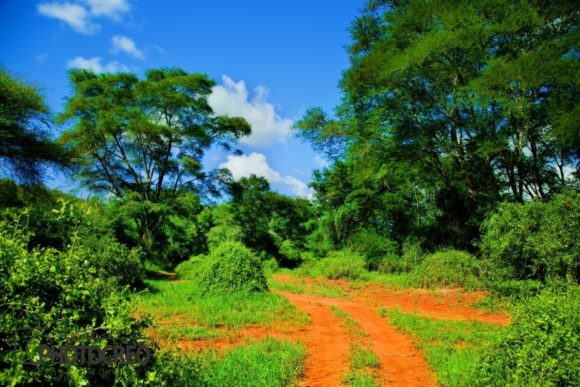
In the vast and varied landscape of digital content creation, imagery serves as more than mere decoration; it is a fundamental communication tool. Among the most striking visual motifs available to designers, educators, and travel enthusiasts is the Red Dirt Road. This specific image, capturing the raw beauty of a savanna grassland in Tsavo West, Kenya, offers a unique blend of natural elegance and geographical authenticity. The photograph features a winding path of rich, red soil cutting through a tapestry of green bushes and scattered trees, embodying the untamed spirit of East Africa. For professionals seeking high-quality assets for both digital and printable projects, understanding the nuances of this image—from its technical specifications to its emotional resonance—is essential for maximizing its impact.
Geographical Context and Visual Composition
To fully appreciate the value of the Red Dirt Road photograph, one must first understand its origin. Tsavo West National Park in Kenya is renowned for its rugged terrain, volcanic origins, and diverse ecosystems. Unlike the flat, endless plains often associated with generic safari imagery, Tsavo West offers a textured landscape marked by lava flows, springs, and distinct vegetation. The red soil, a hallmark of many regions in East Africa, is rich in iron oxide, giving it that vibrant, earthy hue that contrasts beautifully with the verdant greens of the acacia trees and shrubs.
The composition of this particular image is carefully balanced. The road acts as a leading line, drawing the viewer’s eye into the depth of the scene. This technique creates a sense of journey and exploration, inviting the audience to imagine traveling down that path. The presence of bushes and trees adds layers of texture and shadow, preventing the image from feeling flat or two-dimensional. For creators, this depth is crucial. It allows for text overlays without obscuring the main subject, making it an ideal background for websites, flyers, and posters where readability and aesthetic appeal must coexist.
Technical Specifications for Versatile Use
When integrating visual assets into professional projects, technical compatibility is paramount. The Red Dirt Road image is provided in JPEG format at 72 DPI (dots per inch). Understanding these specifications helps users determine the best applications for the file.
- File Format (JPEG): Joint Photographic Experts Group (JPEG) is the standard for photographic images on the web. It offers a good balance between file size and image quality, ensuring fast loading times for websites and digital presentations without sacrificing visual clarity.
- Resolution (72 DPI): This resolution is optimized for screen display. It is the standard for monitors, smartphones, tablets, and projectors. For digital projects such as social media posts, blog headers, email newsletters, and online advertisements, 72 DPI provides sharp, clear visuals.
- Print Considerations: While 72 DPI is ideal for screens, printable projects require careful handling. For small-format prints like postcards, flyers, or standard-sized posters viewed from a distance, this image can still yield satisfactory results if scaled appropriately. However, for large-format banners or high-detail brochures, users should be mindful of potential pixelation if the image is enlarged beyond its native dimensions.
By recognizing these technical boundaries, creators can avoid common pitfalls. For instance, using this image for a high-resolution coffee table book might not be suitable, but using it for a travel agency’s digital brochure or a classroom presentation slide is perfectly aligned with its capabilities.
Applications in Digital Marketing and Web Design
In the realm of digital marketing, authenticity drives engagement. Stock photos that feel staged or generic often fail to connect with audiences. The Red Dirt Road offers a genuine slice of Kenyan heritage, making it a powerful tool for brands focused on travel, sustainability, and cultural exploration.
Travel and Tourism Websites
For tour operators and travel bloggers, this image serves as an immediate hook. Placing the Red Dirt Road as a hero image on a homepage instantly communicates the destination’s vibe: adventurous, natural, and serene. The warm tones of the red earth evoke feelings of warmth and hospitality, while the open road suggests freedom and discovery. This visual cue can significantly reduce bounce rates by capturing the visitor’s imagination within seconds.
Social Media Campaigns
Social platforms thrive on visually compelling content. The contrast between the red soil and green foliage makes this image stand out in crowded feeds. It is particularly effective for Instagram carousels or Pinterest pins related to eco-tourism, photography tips, or African wildlife conservation. When paired with concise, impactful copy, the image can drive higher engagement rates, encouraging users to save, share, or comment on the post.
Educational Resources
Educators and researchers focusing on geography, environmental science, or African studies can utilize this image to illustrate concepts such as soil composition, savanna ecosystems, or land use. The visual evidence of the red dirt provides a tangible example for discussions on laterite soils and their formation in tropical climates. Its clarity and lack of distracting human elements make it an excellent neutral backdrop for educational slides and digital textbooks.
Printable Projects and Physical Media
Despite being optimized for digital use, the Red Dirt Road image holds significant potential for printable projects, provided the scale is managed correctly. The aesthetic appeal of natural landscapes translates well to physical media, where texture and color play a vital role in user experience.
- Postcards and Greeting Cards: The scenic nature of the image makes it perfect for postcards. Recipients often appreciate the artistic quality of landscape photography, and the vibrant colors reproduce well on standard cardstock. It serves as a memorable keepsake for travelers or a thoughtful gesture for those interested in global cultures.
- Flyers and Brochures: Local businesses, community centers, or event organizers can use this image as a background for flyers promoting cultural events, art exhibitions, or charity fundraisers related to international causes. The open space in the sky and along the road allows for easy placement of text details such as dates, times, and contact information.
- Wall Art and Posters: For home or office decor, this image can be printed as a poster. The calming effect of natural scenery is well-documented, contributing to a relaxed atmosphere in workspaces or living areas. When printed at moderate sizes, the 72 DPI resolution remains acceptable, especially if the viewing distance is more than a few feet.
Enhancing Brand Identity Through Natural Imagery
Brands that align themselves with values of sustainability, adventure, and authenticity can leverage the Red Dirt Road to reinforce their identity. The image does not just depict a location; it conveys a mood. Using such imagery consistently across various touchpoints—website, social media, and print materials—creates a cohesive brand narrative.
For example, a company selling eco-friendly travel gear might use this image to highlight the durability of their products in rugged environments. Alternatively, a non-profit organization working in Kenya could use the photo to contextualize their mission, showing the beauty of the land they are striving to protect. In both cases, the image acts as a silent ambassador, communicating values without the need for excessive wording.
Best Practices for Implementation
To get the most out of the Red Dirt Road asset, creators should adhere to several best practices. First, consider color grading. While the original image is vibrant, slight adjustments to brightness and contrast can help it blend seamlessly with specific brand palettes. Second, pay attention to typography. Choose fonts that complement the organic feel of the image; serif fonts can add a touch of elegance, while clean sans-serifs maintain a modern, accessible look.
Additionally, always ensure proper licensing and attribution where required. Respecting intellectual property rights is a cornerstone of professional content creation. By using licensed assets like this JPEG file, users avoid legal complications and support the photographers and platforms that provide these valuable resources.
Finally, test the image across different devices and print samples. What looks perfect on a high-end monitor may appear differently on a mobile screen or when printed on matte versus glossy paper. Iterative testing ensures that the final output meets quality standards and delivers the intended visual impact.
Conclusion
The Red Dirt Road is more than a photograph; it is a versatile creative asset that bridges the gap between digital convenience and physical tangibility. Its depiction of Tsavo West’s stunning landscape offers a window into the natural world, providing depth, color, and context for a wide range of projects. Whether used to enhance a travel website, educate students, or decorate a home, this image carries the power to inspire and inform. By understanding its technical specs and exploring its diverse applications, creators can harness its full potential, delivering content that is not only visually appealing but also meaningful and effective.