Designing the Spiritual Atmosphere: Integrating Ramadan Suhoor Foods and Brushed Mosque Aesthetics in Digital Art
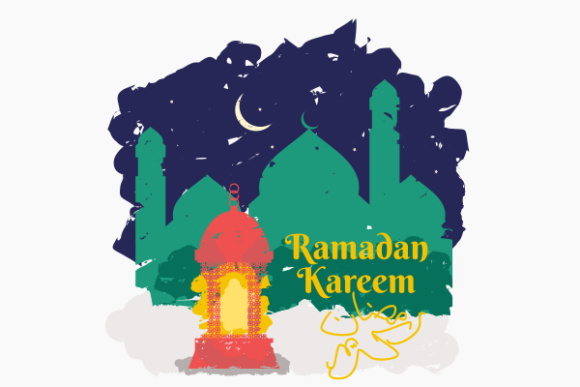
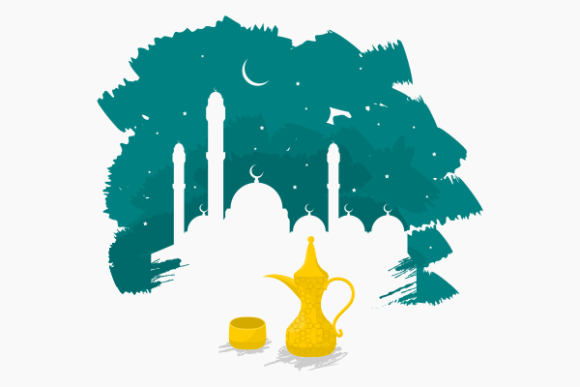
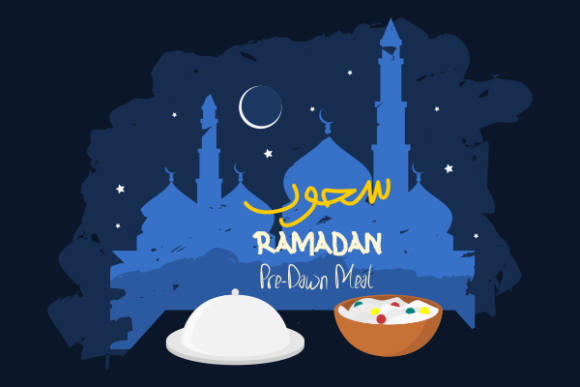
The intersection of culinary tradition and visual artistry offers a profound way to celebrate cultural heritage. During the holy month of Ramadan, the pre-dawn meal known as Suhoor holds significant spiritual and physical importance. For designers, educators, and content creators, capturing the essence of this time requires more than just generic imagery. It demands a nuanced approach that blends the warmth of Ramadan Suhoor foods with the serene, artistic representation of sacred spaces. One compelling design concept involves the use of a brushed mosque silhouette set against a night sky, integrated with editable SVG vectors and Arabic calligraphy. This approach not only enhances visual appeal but also respects the sanctity of the occasion through thoughtful composition.
The Symbolism of the Pre-Dawn Meal in Visual Storytelling
Suhoor is not merely a meal; it is an act of devotion and community. Visually representing this moment requires an understanding of its components. The table is often laden with dates, water, yogurt, and complex dishes that vary by region. When designing assets for this theme, the inclusion of these Ramadan Suhoor foods serves as an immediate cultural anchor. However, the background and stylistic elements are equally crucial. The quietude of the pre-dawn hours is best represented by deep blues, purples, and subtle gradients that mimic the night sky before Fajr prayer.
Incorporating food elements into digital designs should be done with attention to detail. High-resolution PNGs or vector graphics of traditional dishes allow for scalability without loss of quality. These elements can be arranged to frame the central subject, which in this case, is often the mosque. The juxtaposition of earthly sustenance with spiritual architecture creates a balanced narrative, reminding the viewer of the dual focus of Ramadan: physical discipline and spiritual elevation.
Artistic Technique: The Brushed Mosque Silhouette
The choice of a brushed style for the mosque silhouette adds a layer of artistic sophistication that rigid, geometric lines often lack. This technique mimics the texture of traditional brushstrokes, evoking a sense of handcrafted authenticity. It softens the architectural hardness of the mosque, making it feel more approachable and organic. This style is particularly effective when paired with the concept of the night sky, as the irregular edges of the brush strokes can blend seamlessly with cloud formations or starry backgrounds.
Using a brushed mosque silhouette allows for creative flexibility. Designers can adjust the opacity and layering of the brush strokes to create depth. For instance, the main structure of the mosque might be rendered in a darker, more solid brush stroke, while minarets or domes could feature lighter, translucent strokes that suggest distance or ethereal beauty. This method aligns well with modern minimalist trends while retaining traditional Islamic artistic values.
Utilizing Editable SVG Vectors for Customization
For professionals and hobbyists alike, the format of the design asset is critical. Scalable Vector Graphics (SVG) offer unparalleled advantages over raster images. An editable SVG vector of foods and mosque silhouettes allows users to modify colors, sizes, and compositions without pixelation. This is essential for creating diverse marketing materials, educational resources, or personal projects that may require different aspect ratios or color schemes.
When working with SVGs, designers can isolate specific elements. For example, one might choose to highlight a plate of dates by changing its fill color to a warmer tone, contrasting it against the cool blue of the night sky. The vector nature of the file ensures that these adjustments remain crisp at any scale, from a small social media icon to a large banner print. This versatility makes SVGs the preferred choice for high-quality digital production.
Workflow Optimization with Inkscape Software
To fully leverage the potential of these design concepts, using robust software is necessary. Inkscape is a powerful, open-source vector graphics editor that is ideal for editing SVG files. It provides a comprehensive suite of tools for manipulating paths, nodes, and layers. For those looking to customize a brushed mosque design, Inkscape allows for precise control over each brush stroke. Users can convert brush objects into paths, enabling them to tweak the curvature and thickness of every line.
The workflow in Inkscape typically begins with importing the base SVG file. Designers can then ungroup elements to access individual components such as the mosque silhouette, the food items, and the text layers. Using the node tool, one can refine the edges of the brush strokes to achieve the desired artistic effect. Additionally, Inkscape supports various export formats, ensuring that the final design can be adapted for multiple platforms. This software is particularly beneficial for educators and researchers who may need to create custom illustrations for presentations or publications without incurring high licensing costs.
Integrating Arabic Script and Typography
A key element of the design is the inclusion of Arabic script, specifically the word "Suhoor" or related phrases. Typography in Islamic art is not just about readability; it is an art form in itself. The placement of Arabic calligraphy within the night sky composition must be harmonious. It should complement the brushed mosque silhouette rather than compete with it. Designers often place the text above or beside the mosque, using a font that mirrors the fluidity of the brush strokes.
When editing the SVG, it is important to ensure that the Arabic text remains editable or is properly converted to paths if a specific font is not available on the end-user's system. This prevents rendering issues across different devices. The color of the text should contrast sufficiently with the night sky background, often utilizing gold, white, or light blue hues to evoke a sense of luminosity and reverence.
Practical Applications and File Formats
The utility of this design concept extends across various sectors. For businesses, it can be used in promotional materials for restaurants offering Suhoor specials. For educators, it serves as a visual aid in teaching about Islamic traditions. Hobbyists might use it for personal greeting cards or home decor. The availability of multiple file formats enhances this utility. Alongside the editable SVG, the provision of EPS, PDF, and high-resolution PNG files in a ZIP archive ensures compatibility with different software ecosystems.
- EPS: Ideal for professional printing and legacy design software.
- PDF: Perfect for document integration and easy sharing while maintaining vector quality.
- PNG: Suitable for web use, social media, and applications where raster images are required.
Each format serves a specific purpose, allowing users to choose the best option for their needs. The high-resolution PNG is particularly useful for quick implementations where editing is not required, while the SVG and EPS files cater to those who wish to customize the design further.
Considerations for Cultural Sensitivity and Accuracy
When creating designs centered around religious themes, accuracy and respect are paramount. The depiction of the mosque should be architecturally plausible, even if stylized. The Ramadan Suhoor foods included should be recognizable and culturally appropriate. Avoiding stereotypes and ensuring that the Arabic script is correct and meaningful is essential. Designers should consult with individuals knowledgeable about Islamic culture to verify the authenticity of their work.
Furthermore, the mood of the design should reflect the solemnity and peace of the pre-dawn hours. Overly bright or chaotic elements can detract from the intended atmosphere. The use of a night sky background with subtle stars or clouds helps maintain this tranquility. The brushed style contributes to this by adding a soft, contemplative quality to the image.
Enhancing User Engagement Through Visual Depth
To make the design more engaging, consider adding layers of depth. Foreground elements, such as a close-up of a date palm or a traditional lantern, can frame the central mosque silhouette. This creates a sense of perspective and draws the viewer into the scene. The interplay between the foreground food items and the background architecture tells a complete story of the Suhoor experience.
Lighting effects can also enhance the visual impact. Subtle glows around the mosque windows or the Arabic text can simulate the gentle light of dawn approaching. These details, achievable through layer blending modes in Inkscape or other vector editors, add a professional polish to the design. They transform a static image into a dynamic visual narrative that resonates with the audience on an emotional level.
Conclusion: Bridging Tradition and Modern Design
The fusion of Ramadan Suhoor foods and a brushed mosque silhouette represents a harmonious blend of tradition and modern digital artistry. By utilizing editable SVG vectors and tools like Inkscape, creators can produce versatile and meaningful designs that honor the spirit of Ramadan. Whether for commercial, educational, or personal use, these assets provide a foundation for respectful and visually stunning content. The availability of multiple file formats ensures that these designs can be easily integrated into various workflows, making them accessible to a broad audience. Ultimately, the goal is to create visuals that not only inform but also inspire, capturing the quiet beauty of the pre-dawn meal and the spiritual significance of the holy month.