Brushed Splash Sublimation Design Guide
In the evolving landscape of digital design and physical crafting, texture is no longer just a background element; it is the focal point. Brushed Splash Sublimation represents a dynamic intersection of organic fluidity and controlled artistic intent. For creators, designers, and small business owners, understanding how to leverage these assets can transform a standard project into a visually compelling narrative. Whether you are designing custom apparel, creating digital scrapbooks, or developing marketing materials for a brand, the utility of high-quality splash templates lies in their versatility and emotional resonance.
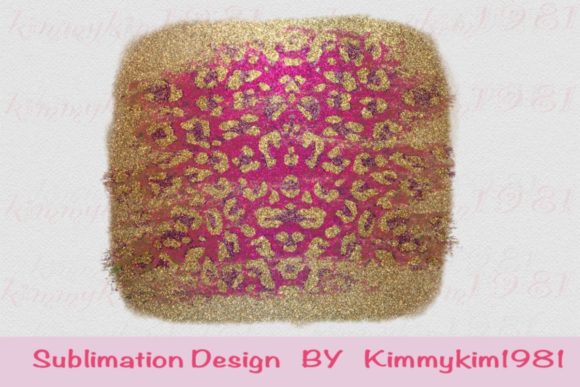
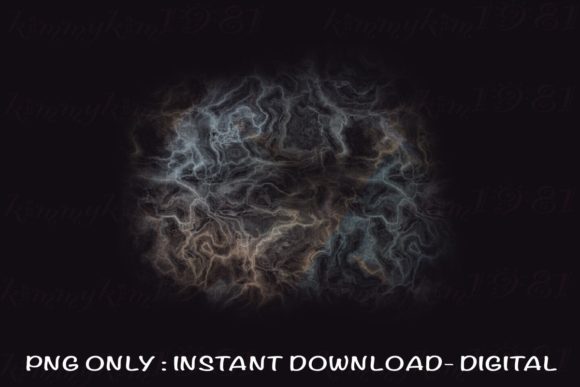
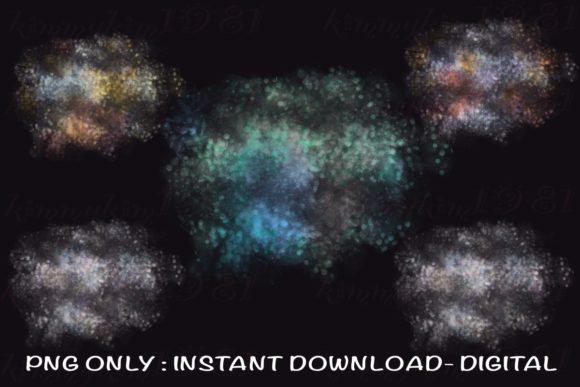
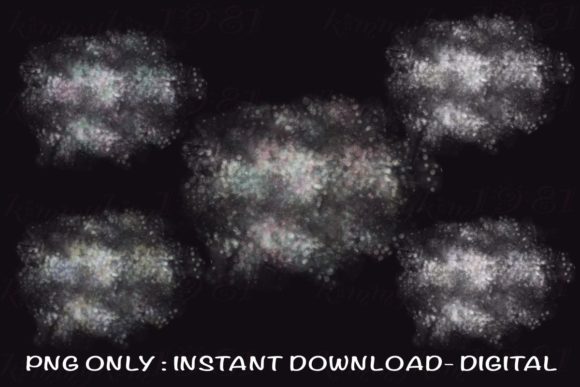
The appeal of brushed splash designs stems from their ability to mimic natural phenomena—paint strokes, water droplets, ink dispersals—while maintaining the crispness required for professional printing. When you incorporate a Brushed Splash Sublimation PNG into your workflow, you are not merely adding color; you are adding depth, movement, and a tactile quality that flat vectors often lack. This guide explores how to effectively utilize these decorative design elements to elevate your DIY projects and commercial products.
Understanding the Medium: Why Texture Matters
Sublimation printing has revolutionized how we apply graphics to fabrics and hard surfaces. However, the success of a sublimated product depends heavily on the source file’s quality and composition. A brushed splash design offers a unique advantage because it breaks the monotony of solid colors and rigid geometric shapes. The "brushed" aspect implies a directional flow, suggesting energy and motion, while the "splash" component introduces randomness and organic beauty.
When working with Brushed Splash Sublimation Templates, it is crucial to recognize the technical specifications that make them effective. High-resolution files, typically at 300 DPI (dots per inch), ensure that when the design is transferred onto polyester fabrics, mugs, or phone cases, the edges remain sharp and the gradients smooth. The RGB color mode allows for a vibrant spectrum of hues, which is essential for capturing the nuanced transitions found in liquid or paint-like textures. By using transparent PNG files, designers gain the flexibility to layer these splashes over various backgrounds without worrying about unwanted white boxes or jagged edges.
Creative Applications Across Industries
The versatility of brushed splash elements means they are not confined to a single niche. Different professionals can adapt these assets to meet specific audience needs and project goals.
Apparel and Fashion Design
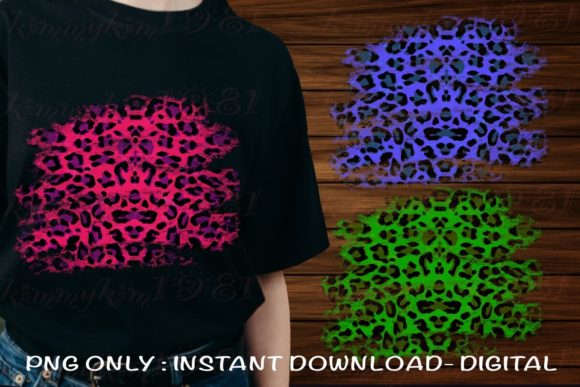
For entrepreneurs running print-on-demand businesses or local clothing brands, brushed splash designs offer a modern aesthetic that appeals to a wide demographic. Imagine a hoodie featuring a subtle, monochromatic ink splash across the chest, or leggings with a vibrant, multi-colored watercolor effect running down the sides. The key here is placement. Because sublimation allows for all-over printing, you can use larger splash templates to create immersive patterns that wrap around the garment. This approach turns clothing into wearable art, appealing to customers who value uniqueness and expressive style.
Digital Scrapbooking and Collage Making
Hobbyists and digital artists find immense value in DECORATIVE DESIGNS that facilitate scrapbooking and collage making. In digital layouts, brushed splashes can serve as framing devices, drawing the viewer’s eye toward photographs or text blocks. They can also be used to blend disparate elements together, creating a cohesive look from mixed media sources. For instance, layering a soft blue water splash behind a vintage photograph can evoke a sense of nostalgia or calm, while a sharp, red ink splatter might add drama or urgency to a layout. The transparency of the PNG files allows for seamless integration, enabling creators to experiment with opacity and blending modes to achieve the desired mood.
Marketing and Brand Identity
Marketers and bloggers can utilize these graphics to break up text-heavy content or to create eye-catching social media posts. A well-placed brush stroke can highlight a call-to-action button or underline a key headline. In branding, consistent use of a specific splash style can become part of a company’s visual identity, suggesting creativity, fluidity, or innovation. For example, a tech startup might use sleek, metallic-looking splashes to convey modernity, while an organic skincare brand might opt for soft, earth-toned water droplets to emphasize natural ingredients.
Best Practices for Implementation
To ensure your results are clear, effective, and professional, consider the following practical recommendations when working with Brushed Splash Sublimation assets.
- Maintain Resolution Integrity: Always start with the highest resolution available. The provided 300 DPI files are ideal for printing. Scaling up a low-resolution image will result in pixelation, which detracts from the professional quality of the final product.
- Consider Color Contrast: When placing a splash design over a background, ensure there is sufficient contrast. A dark splash on a dark background may get lost, while a light splash on a white background might appear washed out. Use blending modes in your design software to adjust how the splash interacts with underlying layers.
- Layering for Depth: Do not limit yourself to a single splash. Combine multiple PNG files to create complex compositions. Overlapping different colors and directions can create a sense of three-dimensionality and movement. Experiment with opacity settings to allow underlying layers to peek through, adding subtlety and sophistication.
- Contextual Relevance: Choose splash styles that align with the message of your project. Aggressive, sharp splatters suit high-energy themes, while soft, diffused brushes work better for calming or romantic contexts. Understanding the psychological impact of visual elements helps in creating more effective designs.
Adapting to Different Platforms and Formats
The digital nature of these templates means they can be adapted for various outputs beyond physical sublimation. Web designers can use scaled-down versions as background elements for landing pages, ensuring fast load times by optimizing file size without sacrificing visual impact. Educators creating presentation slides can use splashes to highlight key points or separate sections, making educational content more engaging for students. Freelancers offering graphic design services can include these elements in their toolkit to quickly prototype concepts for clients, demonstrating versatility and creative range.
For those focused on DIY Projects, the ease of use associated with transparent PNGs cannot be overstated. There is no need for complex masking or cutting tools. Simply drag and drop the asset into your design software, resize, and position. This accessibility empowers individuals with varying levels of technical skill to produce high-quality results, fostering a sense of accomplishment and encouraging further creative exploration.
Ensuring Originality and Consistency
While templates provide a starting point, originality comes from how you manipulate and combine them. Avoid using the same splash configuration repeatedly across different projects. Rotate, flip, recolor, and crop the assets to create unique variations. This practice not only keeps your portfolio fresh but also prevents your designs from looking generic or templated. Consistency, on the other hand, is achieved by establishing a visual language. If you choose a specific palette or brush style for a brand or series, stick to it. This creates a recognizable aesthetic that audiences can associate with your work.
Furthermore, staying organized is vital when managing a library of design elements. Label your files clearly, noting color schemes and styles. This saves time during the creative process, allowing you to focus on composition rather than searching for the right asset. By treating your resources with care and intention, you enhance your workflow efficiency and overall output quality.
In conclusion, Brushed Splash Sublimation templates are more than just decorative additions; they are powerful tools for visual storytelling. By understanding their technical properties, exploring diverse applications, and applying best practices for implementation, creators can unlock new levels of creativity. Whether you are designing for commerce, education, or personal enjoyment, these elements offer the flexibility and impact needed to stand out in a crowded digital and physical landscape. Embrace the fluidity, experiment with layering, and let the organic beauty of brushed splashes elevate your next project.